Oracy Programmes in Singapore Schools: Why Communication Skills Matter More Than Ever in 2026
Debate and public speaking programmes help students build confidence, structure ideas clearly, and engage meaningfully in discussions across school levels.

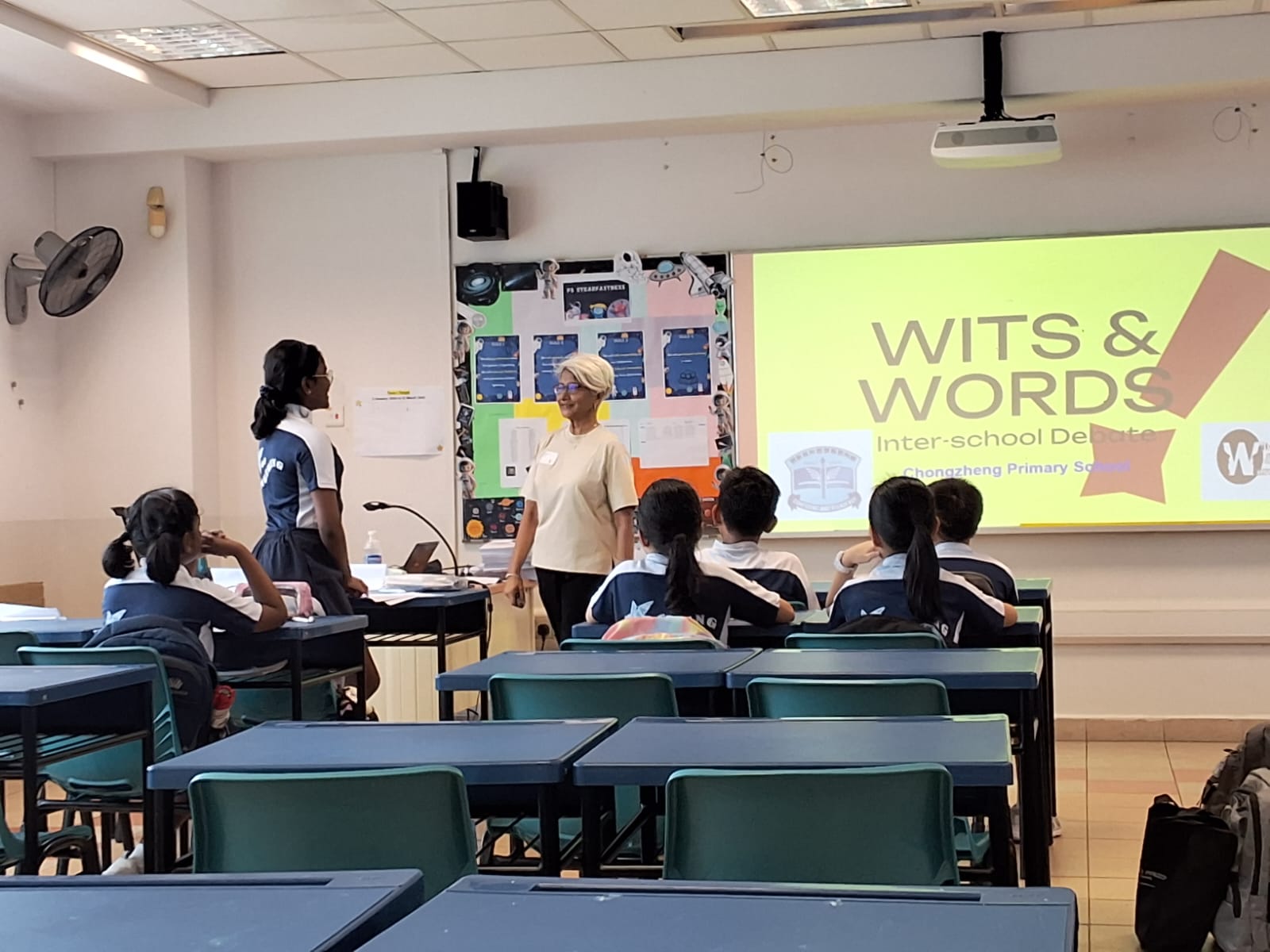
As communication skills become increasingly central to student development, many schools in Singapore are strengthening their focus on how students express ideas, reason verbally, and engage in discussions. While foundational communication begins with classroom interaction, structured programmes such as debate and public speaking play a vital role in deepening these competencies.
Together with strong oracy development, debate and public speaking programmes provide students with the confidence, clarity, and critical thinking skills needed to thrive in academic and leadership settings.
Oracy forms the foundation of effective communication. It supports students in articulating thoughts clearly, listening actively, and participating meaningfully in dialogue. As discussed in our earlier article on oracy programmes in Singapore schools, these skills are essential for developing student voice and engagement across learning contexts.
Debate and public speaking extend this foundation by introducing structure, reasoning, and audience awareness. Students learn not only to speak, but to organise ideas logically, defend viewpoints, and communicate with intention.
By integrating oracy with debate and public speaking, schools create a progressive pathway for communication development.
Debate and public speaking programmes support multiple aspects of holistic education, including:
Rather than focusing purely on competition, school-based programmes emphasise learning, reflection, and growth — ensuring all students benefit, not only confident speakers.
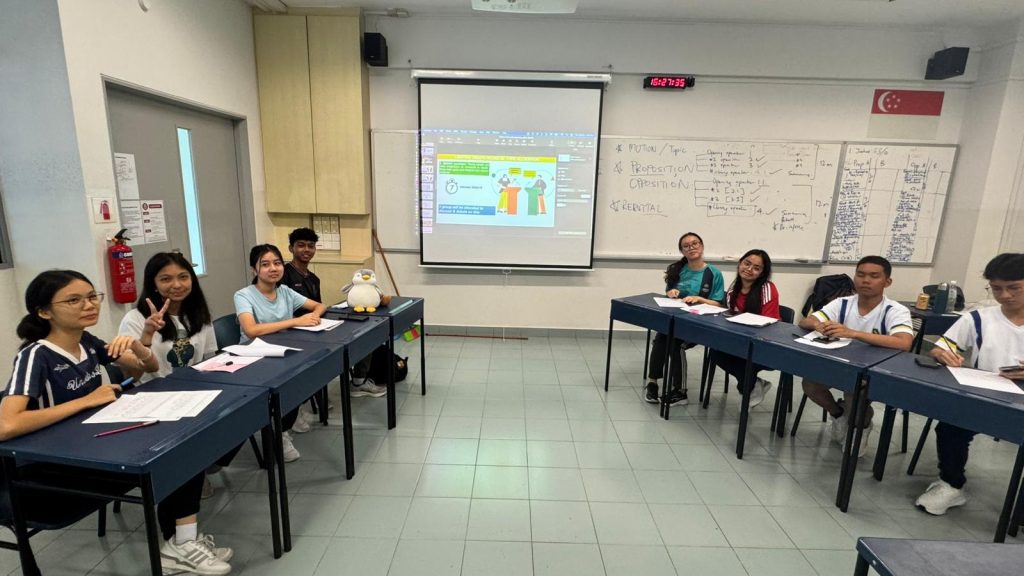
Modern classrooms increasingly emphasise inquiry-based learning, discussion, and collaboration. Students are expected to explain reasoning, present ideas, and respond constructively to others.
Debate and public speaking programmes directly support these learning approaches by helping students:
These competencies complement English Language learning, Humanities subjects, leadership education, and Character & Citizenship Education (CCE).
At the primary level, debate and public speaking activities focus on:
These early experiences reinforce oracy skills developed in classroom learning.
For secondary students, programmes typically include:
This stage supports Student Leadership, CCA development, and classroom participation.
At advanced levels, training emphasises:
These skills prepare students for interviews, leadership roles, and post-secondary pathways.
Students who participate in debate and public speaking programmes often demonstrate:
When combined with strong oracy foundations, these programmes support students’ emotional maturity and ability to navigate social interactions effectively.
When schools evaluate communication programmes, considerations often include:
Programmes that complement existing oracy initiatives allow schools to build communication capabilities progressively rather than in isolation.Schools implementing communication pathways often align debate and public speaking programmes with broader student development initiatives under Addestra Junior Programmes, which support oracy, leadership, and confidence-building across Primary, Secondary, and JC levels.
As schools prepare students for increasingly complex academic and social environments, communication training plays a critical role. Debate and public speaking provide structured platforms for students to practise articulation, reasoning, and respectful engagement.
When built upon strong oracy foundations, these programmes empower students to express themselves confidently — not only in school, but throughout life.
By decoding each employee’s natural strengths, communication style, and learning patterns, HR leaders can make better placement, training, and leadership decisions — creating a more engaged, balanced, and high-performing workplace.
At Addestra Learning Centre, communication programmes are designed to support student confidence, clarity, and critical thinking through experiential learning approaches.Through Addestra Junior Programmes, schools can explore customised debate and public speaking initiatives aligned with cohort needs, leadership objectives, and holistic education goals.
For schools who are keen to find out more, you may contact us at hello@addestralearning.com or call us at +65 9431 4372.
Debate and public speaking programmes help students build confidence, structure ideas clearly, and engage meaningfully in discussions across school levels.

Learn how Neuromapping profiling helps HR teams in Singapore uncover employee strengths, improve collaboration, and enhance team performance scientifically.
Discover how fingerprint-based neuromapping gives HR leaders in Singapore data-driven insights into employee strengths, learning styles, and leadership potential.
Founded in Singapore in 2005, The Golden Space® has become a global movement for heart-based, non-religious meditation and conscious living. This October, join Master Umesh at Unlock Transformational Wisdom for