Oracy Programmes in Singapore Schools: Why Communication Skills Matter More Than Ever in 2026
Chin Ling
In recent years, Singapore’s education landscape has undergone a significant shift. While academic excellence remains essential, schools are placing increasing emphasis on how students think, express ideas, and communicate effectively. This has brought oracy, the ability to articulate thoughts clearly, listen actively, and engage in meaningful dialogue to the forefront of holistic student development.
As we move into 2026, oracy programmes in Singapore schools are no longer viewed as enrichment activities. Instead, they are becoming a foundational component that supports learning outcomes, leadership development, and students’ social-emotional growth.
What Is Oracy and Why Does It Matter in Schools?
Oracy refers to a student’s ability to communicate ideas confidently and coherently through spoken language. It goes beyond casual speaking and focuses on structured communication, reasoning, listening, and purposeful interaction.
In school environments, strong oracy skills enable students to:
Express their thinking clearly during lessons
Participate confidently in classroom discussions
Present ideas logically and persuasively
Listen respectfully and respond thoughtfully
Build confidence in both academic and social settings
These competencies align closely with MOE’s emphasis on communication, collaboration, and character education.
Why Oracy Programmes Are Increasingly Important in 2026
Several developments in Singapore’s education system have contributed to the growing demand for structured oracy training.
1. Greater Emphasis on Student-Centred Learning
Modern classrooms encourage discussion, inquiry, and reflection. Students are expected to explain their thinking and engage actively with peers, making communication skills essential for learning.
2. Focus on Student Voice and Confidence
Schools recognise that confidence in speaking affects participation, leadership, and emotional wellbeing. Oracy programmes provide safe, guided opportunities for students to practise expressing themselves.
3. Alignment with Leadership and CCE Objectives
Oracy supports Student Leadership, Values-In-Action (VIA), and Character & Citizenship Education (CCE) by enabling students to communicate values, lead discussions, and reflect meaningfully.
4. Preparing Students for Future Pathways
Whether progressing to JC, Polytechnic, ITE, or workplace environments, students will increasingly need to articulate ideas clearly and engage confidently in conversations.
How Structured Oracy Programmes Support Student Development
Effective oracy programmes are developmental and age-appropriate, supporting students across different educational stages.
Primary School Level
At the primary level, oracy training helps students:
Build confidence speaking in front of peers
Organise simple ideas clearly
Practise listening and turn-taking
Develop early reasoning skills
These foundations support literacy development and classroom engagement.
Secondary School Level
For secondary students, programmes focus on:
Structuring arguments logically
Participating in discussions and debates
Responding to questions with clarity
Presenting viewpoints confidently
This stage is particularly important for leadership development and CCA participation.
Upper Secondary and JC Level
At higher levels, oracy training strengthens:
Persuasive communication
Critical thinking and reasoning
Formal presentations and debates
Confidence in high-stakes situations
These skills prepare students for interviews, leadership roles, and post-secondary education.
These competencies complement English Language learning, Humanities subjects, leadership education, and Character & Citizenship Education (CCE).
Oracy Beyond the Classroom: Developing Holistic Learners
One of the most valuable outcomes of oracy programmes in Singapore schools is their impact beyond academic performance.
Students who develop strong communication skills often demonstrate:
Greater self-confidence
Improved teamwork and collaboration
Stronger emotional regulation during discussions
Increased willingness to participate and lead
These outcomes contribute directly to schools’ broader goals in student wellbeing and holistic education.
Choosing the Right Oracy Programme for Schools
When selecting an oracy or communication programme, schools benefit from considering several key factors:
Age-appropriate curriculum design
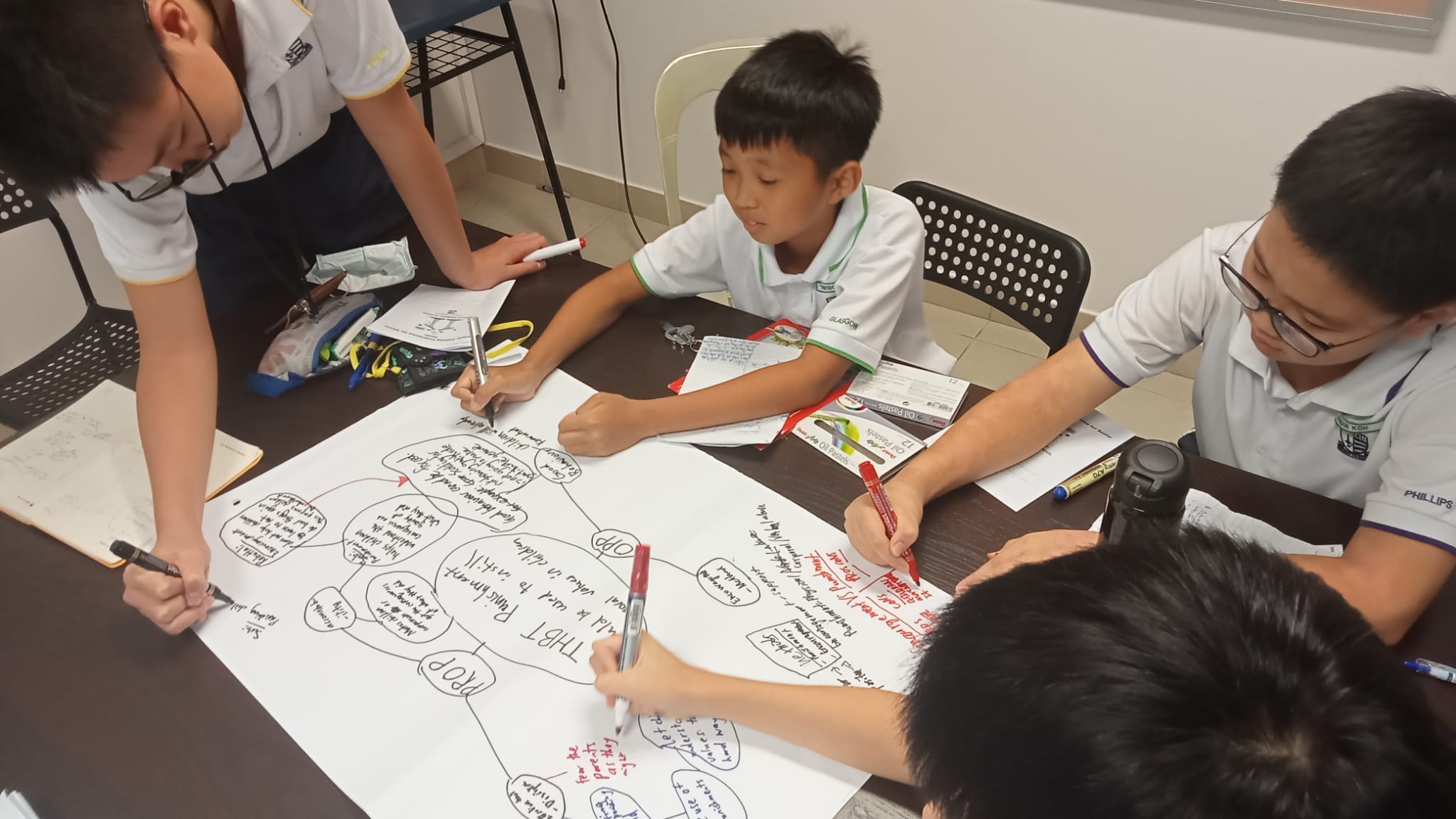
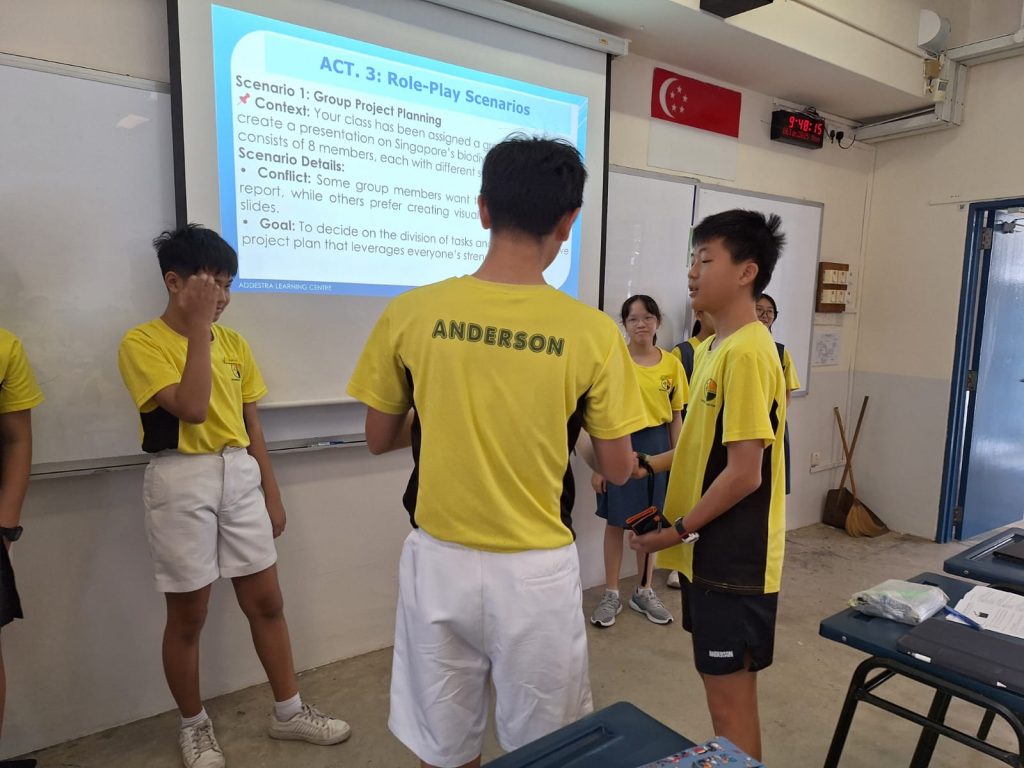
Experiential learning through discussions, role-plays, and presentations
Alignment with school-based objectives such as leadership, SEL, and CCE
Trainers experienced in school environments
Progressive learning structures that support sustained development
Many schools in Singapore also prefer programmes that are specifically designed to meet students’ developmental needs and align with school-based frameworks. Purpose-built initiatives such as Addestra Junior Programmes provide structured oracy and communication training for Primary, Secondary, and JC students, integrating confidence-building, articulation skills, and collaborative dialogue in age-appropriate ways.
Why Oracy Will Remain a Core Educational Focus Beyond 2026
As communication continues to shape learning, leadership, and collaboration, oracy will remain a critical life skill. Schools that invest in structured oracy development equip students not only with academic capabilities, but also with confidence, empathy, and clarity of expression.
In an increasingly complex world, helping students find and use their voice meaningfully is one of the most valuable foundations education can provide.
Empowering Student Voice Starts with the Right Programme
Strong communication skills enable students to participate confidently in learning, leadership, and life beyond school.
Addestra Learning Centre has an established track record of delivering oracy, debating, communication, leadership, and student development programmes across Singapore schools. Through our Addestra Junior Programmes, we collaborate closely with educators to design engaging, age-appropriate sessions that support both academic and holistic development goals.
📩 Schools interested in implementing oracy and communication programmes are welcome to explore customised options aligned with cohort needs and school objectives.
Debate and public speaking programmes help students build confidence, structure ideas clearly, and engage meaningfully in discussions across school levels.
Learn how Neuromapping profiling helps HR teams in Singapore uncover employee strengths, improve collaboration, and enhance team performance scientifically.
Discover how fingerprint-based neuromapping gives HR leaders in Singapore data-driven insights into employee strengths, learning styles, and leadership potential.
Founded in Singapore in 2005, The Golden Space® has become a global movement for heart-based, non-religious meditation and conscious living. This October, join Master Umesh at Unlock Transformational Wisdom for